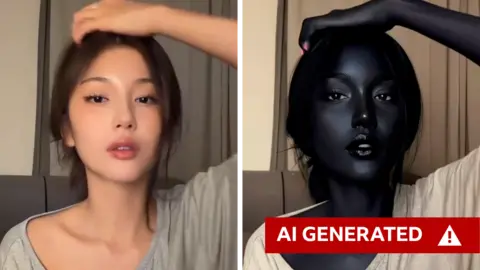
TikTok has banned 20 accounts after the BBC highlighted the use of AI-generated black female influencers to drive users to sites promoting sexually explicit content.
They are part of a growing trend of accounts on Instagram and TikTok that has been criticised as racist, exploitative and misleading because of racial tropes and language used.
The BBC and researchers from the independent AI publication Riddance found dozens of accounts on the two platforms featuring highly sexualised black female digital characters or avatars.
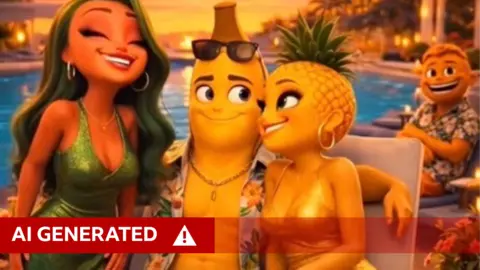
The images and videos were generated by AI but not labelled as such, in apparent breach of the platforms' guidelines.
Nearly all the accounts were on Instagram and about a third also had versions on TikTok. Instagram's parent company Meta told the BBC it was investigating, but did not say it had taken any action.
The avatars are often shown dressed in skimpy swimwear or other revealing clothing and portrayed with exaggerated body shapes. Some have exceptionally dark skin tones that have been digitally manipulated, giving them an artificial appearance.
Account names include terms such as black, noir, dark and ebony. Many of the accounts follow or like each other.
The BBC, working in collaboration with analysts Jeremy Carrasco and Angel Nulani from Riddance, has identified 60 such accounts, mainly on Instagram, that have carried links to paid-for sexually explicit content on third-party sites. The sites labelled the imagery as AI-generated, but the Instagram accounts did not.
One of the accounts shut down by TikTok has caused further anger by stealing videos from real people. It is presented as the account of a striking AI-generated character and had amassed three million followers within a few weeks of its creation.
Houda Fonone, a Moroccan model and content creator who advocates for more authentic representations of black women, says the trend is about erasure. She states that this proliferation of unrealistic depictions reinforces stereotypes while true stories of lived experiences are overshadowed.
Following the BBC's investigation, TikTok issued statements emphasizing its commitment to removing harmful content. However, questions remain on how effectively these measures are enforced and how AI technology's increasing role could reshape the portrayal of marginalized communities.