
In brief
The first confirmed infection of a human by the New World screwworm parasite in the United States has been reported. The case involved a patient returning from El Salvador, according to health authorities. New World screwworm myiasis is primarily a livestock concern, yet it poses potential risks to humans, especially those with open wounds. The incident reflects the ongoing challenges of controlling the parasite, which has now spread across Central America.
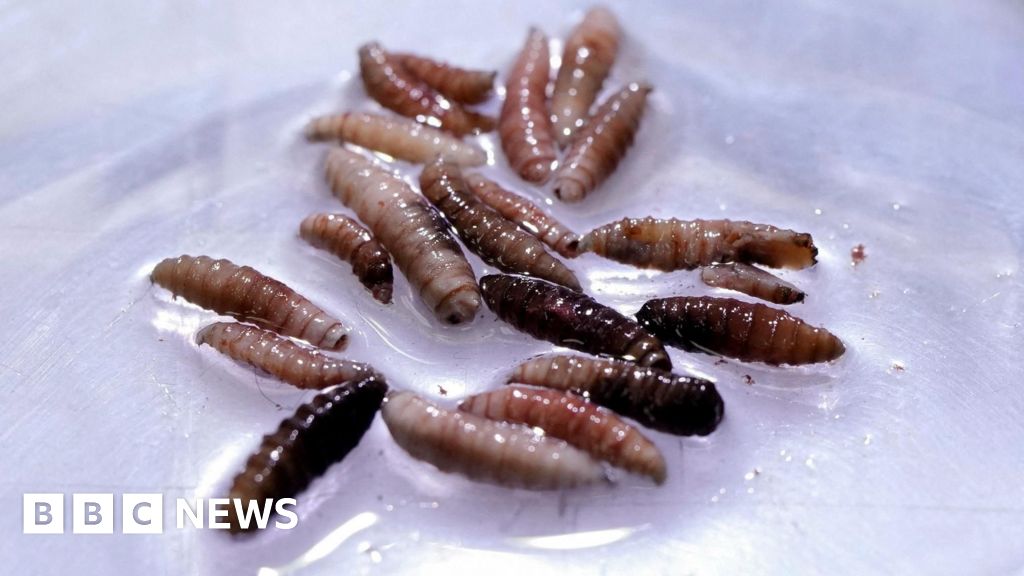
The first human case of a flesh-eating parasite infestation has been confirmed in the US, authorities say. New World screwworm (NWS) myiasis was found in a patient who returned to the US from El Salvador, the Department of Health and Human Services said on Monday. The case was confirmed on 4 August.NWS myiasis is a parasitic infestation of fly larvae, or maggots, caused by parasitic flies. The pest primarily affects livestock, and authorities have said the risk to US public health was currently 'very low'.The Centers for Disease Control and Prevention (CDC) worked with Maryland's health department to investigate the case. HHS spokesperson Andrew Nixon said it is the first human case of travel-associated NWS myiasis from an outbreak-affected country identified in the US.The devastating pest, which feeds on live tissue, is usually found in South America and the Caribbean. Despite efforts to halt its spread north, cases have now been confirmed in every Central American country, including Mexico.Humans, particularly those with an open wound, are susceptible to infestation and are at higher risk if they travel to those regions or if they are around livestock in rural areas where the flies are, the CDC says. The USDA's Animal and Plant Health Inspection Service says it has partnered with other agriculture agencies, the state department and the Food and Agriculture Organization of the United Nations to respond to the outbreak.'When NWS fly larvae (maggots) burrow into the flesh of a living animal, they cause serious, often deadly damage to the animal,' according to the USDA. 'NWS can infest livestock, pets, wildlife, occasionally birds, and in rare cases, people.'A screwworm outbreak in livestock could have severe economic impacts, threatening more than $100bn (£73.9bn) in economic activity tied to the cattle and livestock industry, the USDA said earlier this month.

