In brief
During the BRICS summit in Kazan, Vladimir Putin portrayed himself as a dominant leader among emerging economies, seemingly unconcerned about the ongoing war in Ukraine and other global crises. This meeting served as a backdrop for him to project strength and solidarity with allies while the rest of the world faced looming security threats.
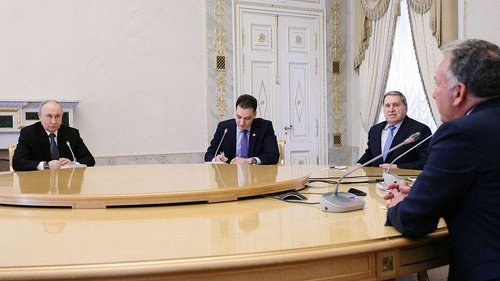
This week, Kazan, Russia, became a stage for Russian President Vladimir Putin as he hosted a three-day BRICS summit, an alliance of emerging economies. Celebrating beside prominent leaders like China's Xi Jinping and India's Narendra Modi, Putin embraced a veneer of confidence, celebrating the convening as an indication of declining Western influence. He raised a toast at an opulent gala dinner and confidently addressed attendees at roundtable discussions, asserting that Western powers are on a path to irreversible decline. This narrative stands in stark contrast to the realities back home, where Russia’s war in Ukraine continues towards its third year. Western officials have raised alarms regarding North Korean military presence in Russia, an assertion that Putin implied was true. Concurrently, tensions in the Middle East are escalating, with Israel poised for retaliation against Iran, and an impending American presidential election threatens to reshape global security dynamics. However, these pressing issues seemed to dissipate within the insulated environment of the summit. Nestled among leaders who largely share a similar worldview, Putin crafted an alternate narrative, portraying himself as a credible leader fostering a new, fairer global order amid a backdrop of compliant media and sycophantic political allies. The summit's atmosphere illustrated a critical disconnection from pressing global realities, amplifying the notion of a fabricated reality where Putin remains the figurehead of power and respect.