In brief
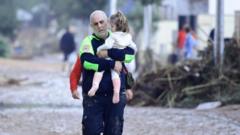
As recent floods devastate parts of Spain, scientists point to climate change as a significant factor in the severity of the downpours, highlighting shortcomings in infrastructure and forecasting methods.
Scientists are sounding alarms about the recent floods in Spain, citing climate change as a key factor in the unprecedented intensity of the rainfall. While no single weather event can be entirely attributed to climate change, experts have identified a clear link between rising global temperatures and the extreme weather patterns observed in recent weeks. "These torrential downpours were undoubtedly exaggerated by climate change," stated Dr. Friederike Otto from Imperial College London. "Each increment of fossil fuel warming allows the atmosphere to retain more moisture, resulting in heavier rainfall."Meteorological experts explained that the principal trigger for the heavy rainfall was a natural phenomenon known as "gota fría," which occurs when cold air collides with the warmer waters of the Mediterranean Sea. This year, the sea's surface temperature reached alarming highs, facilitating the rapid rise of moist air that culminated in the formation of towering storm clouds. Research indicates that climate change has pushed the rainfall capacity of these clouds up by 7% for every one degree Celsius of warming."Once the precipitation begins, it intensifies on parched soils that struggle to absorb excess water," remarked Prof. Mark Smith from the University of Leeds. Follow-ups to the storm have seen baked earth unable to handle the increased rainfall, sending excessive runoff into rivers and streams. Closer examination indicates that these storms may also be slow-moving due to climate change, further amplifying rainfall totals and flood risks.This past September, Storm Boris wreaked havoc across Central Europe, with scientists declaring it twice as likely a scenario due to the influences of climate change. Despite the catastrophic results in Spain, criticism has been leveled at the lack of precise weather warnings, indicating a need for better predictive capabilities.Dr. Linda Speight from the University of Oxford emphasized the difficulties inherent in forecasting the exact locations of torrential storms: "While early warnings can save lives, predicting fast-moving thunderstorms remains a formidable challenge."The recent flooding crisis exposes the inadequacies of existing infrastructure to cope with extreme weather conditions that have now become typical rather than exceptional. As researchers have pointed out, many of Spain’s roads, bridges, and drainage systems are designed for a climate that has since changed dramatically.