In brief
As Spain counts the toll of last week's floods that claimed over 200 lives, citizens are left questioning government response and accountability while emergency workers continue their search and rescue operations.
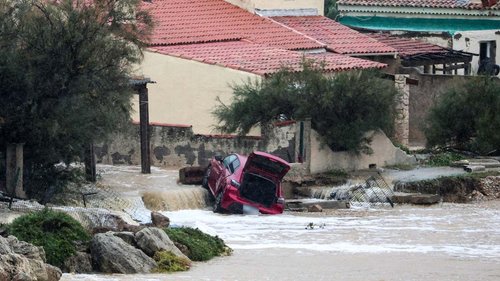
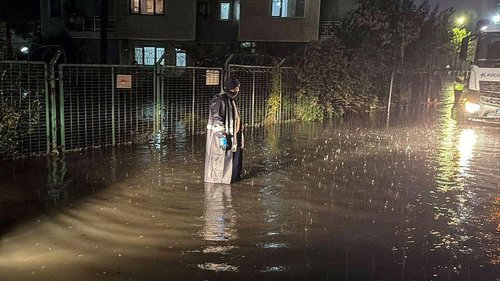
In the wake of extensive and deadly flooding that recently swept Spain, further rainfall looms on the horizon, complicating recovery efforts. As of Monday, the Interior Ministry reports 215 fatalities due to the flash floods caused by torrential downpours, a situation exacerbated by rising anger and frustration among the populace regarding the government's handling of the disaster.Emergency workers were still tirelessly searching for victims across the affected areas while another round of heavy rain was anticipated. The coastal provinces of Catalonia, Tarragona, and Castellón received strong alerts from the national meteorological agency urging residents to remain cautious. Barcelona’s south saw rainfall amounting to nearly six inches by midday, with expectations for an additional five inches later that day.Officials reported widespread disruption in air travel, with multiple flights either canceled or redirected as water inundated nearby terminals. The Valencia region, which bore the brunt of the initial floods, remained precariously impacted with ongoing rain and critical infrastructure challenges, including roads cut off and residents facing outages of both power and clean drinking water.Reflections on the catastrophe led to a growing debate within Spain about government accountability. Citizens are expressing outrage over insufficient preparedness for such a disaster, questioning the lag in response from regional authorities, who failed to send timely alerts. The breakdown in communication sparked protests in hard-hit areas, including Paiporta, where the King and regional leadership were met with shouts and mud-throwing as they attempted a visit to assess the situation.As sentiments of anger and frustration ripple through the population, King Felipe VI acknowledged these sentiments during a visit, while transport minister Óscar Puente conceded the timing of their visit may not have been ideal. The regional authorities are under intense scrutiny, with accusations directed at leaders for delay in emergency preparations.With the threat of further rain, communities in the wake of this disaster remain on high alert as they navigate recovery efforts against the backdrop of a national discussion on accountability and responsiveness in the face of climate-induced calamities.