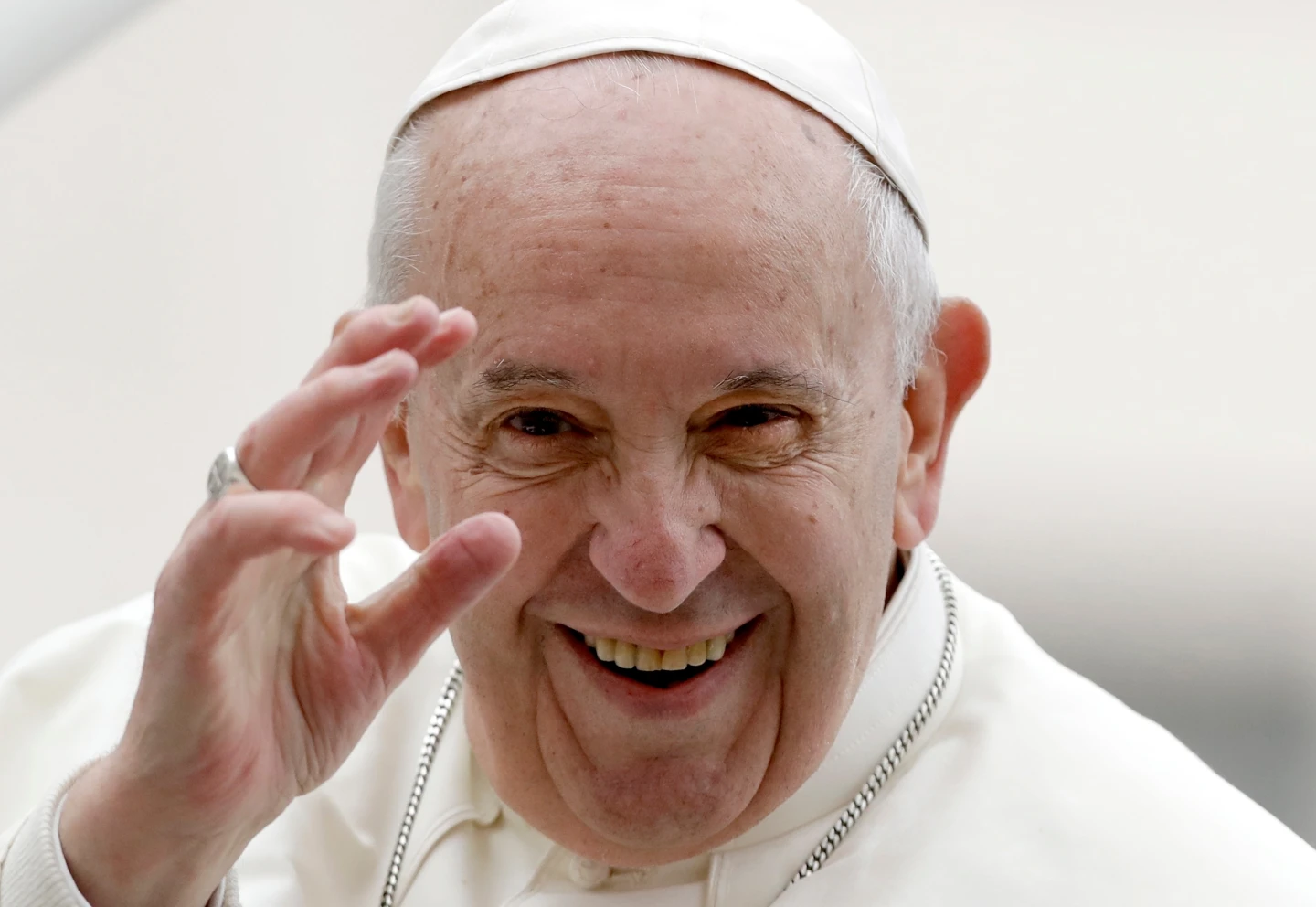
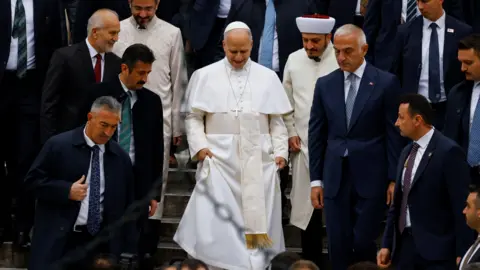
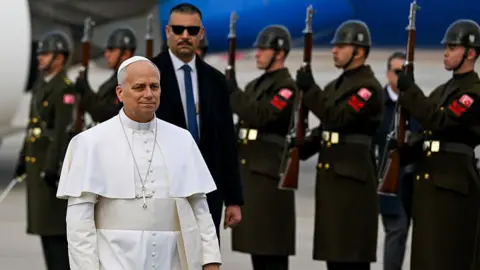
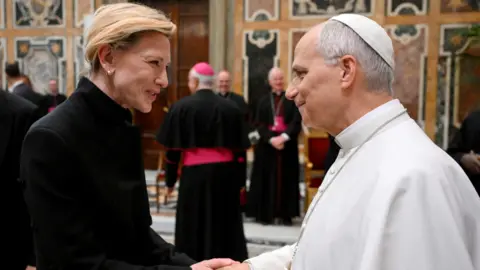
As discussions unfold regarding Pope Francis's potential canonization after his passing, questions arise about the contemporary criteria for sainthood in the Catholic Church. Despite a history where many popes quickly became saints, modern practices have significantly altered this trajectory.
Historically, the canonization of popes was a common occurrence, especially in the early days of Christianity. Among the first 50 popes, 48 were canonized. However, with time, this honor became much less frequent. Currently, 80 of the 266 popes have been canonized over nearly 2,000 years, with 11 others awaiting their turn after being beatified, a key step towards sainthood that entails an exhaustive review by the Dicastery for the Causes of Saints.
The process of canonization requires the church to validate two miracles attributed to the candidate's intercession, culminating in the pope's final decision on sainthood. The late popes John XXIII and John Paul II serve as contemporary examples, with both being canonized during a ceremony led by Pope Francis in 2014.
The average time from a pope’s death to canonization has shortened dramatically in recent decades, due in part to policies enacted by John Paul II that reduced the waiting period to five years. Nevertheless, some critics question the speed of canonization given emerging concerns regarding past church practices.
As the legacy of Pope Francis continues to reverberate through the Catholic community and beyond, the world awaits to see if he will follow the path of his predecessors into sainthood or if the evolving standards of the Church will shape a different outcome.
Historically, the canonization of popes was a common occurrence, especially in the early days of Christianity. Among the first 50 popes, 48 were canonized. However, with time, this honor became much less frequent. Currently, 80 of the 266 popes have been canonized over nearly 2,000 years, with 11 others awaiting their turn after being beatified, a key step towards sainthood that entails an exhaustive review by the Dicastery for the Causes of Saints.
The process of canonization requires the church to validate two miracles attributed to the candidate's intercession, culminating in the pope's final decision on sainthood. The late popes John XXIII and John Paul II serve as contemporary examples, with both being canonized during a ceremony led by Pope Francis in 2014.
The average time from a pope’s death to canonization has shortened dramatically in recent decades, due in part to policies enacted by John Paul II that reduced the waiting period to five years. Nevertheless, some critics question the speed of canonization given emerging concerns regarding past church practices.
As the legacy of Pope Francis continues to reverberate through the Catholic community and beyond, the world awaits to see if he will follow the path of his predecessors into sainthood or if the evolving standards of the Church will shape a different outcome.