---
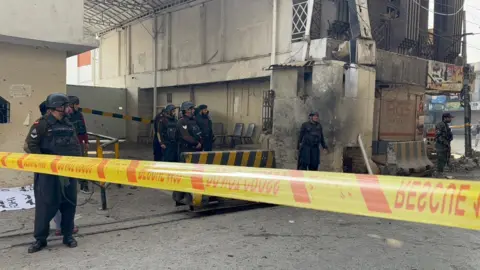
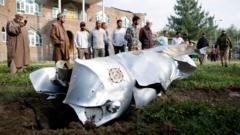
In a significant escalation of tensions in South Asia, India conducted air strikes against multiple sites across Pakistan, claiming to target militant positions. This military operation took place during the early hours of the morning and lasted approximately 25 minutes, creating a wave of alarm among local populations who were awakened by the explosive sounds. Indian authorities indicated that they had engaged in strikes against nine locations, while Pakistan reported only six sites had been targeted. Pakistani defense claims included the downing of five Indian fighter jets, a claim that remains unverified by India.
As the situation unfolded, predominant concerns rose surrounding the consequences of these strikes, particularly in light of last month’s militant assault on tourists in the Indian-administered region of Kashmir. This attack had intensified ongoing animosities, with India asserting strong connections between the attackers and groups operating from Pakistani soil, a statement that Pakistan strongly rejects.
Historically, previous incidents of conflict between these two nuclear-armed nations have resulted in reciprocal military actions. The 2016 surgical strikes and the 2019 Pulwama bombing strikingly illustrate this pattern. Analysts highlight that India's recent strikes mark a departure from previous tactics, indicating a broader scope of targets and hinting at a more comprehensive strategy aimed at multiple Pakistan-based militant groups.
Experts suggest that Pakistan's military will likely respond to India's assertive actions, potentially leading to retaliatory strikes and heightened hostilities. Political analysts warn that such a response could escalate tensions into conventional warfare if not carefully managed. The situation is exacerbated by public sentiment in Pakistan, which fluctuates based on perceptions of national security and military effectiveness, particularly in the context of internal political struggles.
Despite the looming threat of escalation, opportunities for diplomatic intervention remain. Historical patterns suggest that previous crises have been de-escalated through dialogue and negotiations. The recent events surrounding the air strikes invite significant scrutiny over how both nations navigate this perilous juncture, balancing military objectives with the necessity for diplomatic resolution to prevent a deepening crisis.
In a significant escalation of tensions in South Asia, India conducted air strikes against multiple sites across Pakistan, claiming to target militant positions. This military operation took place during the early hours of the morning and lasted approximately 25 minutes, creating a wave of alarm among local populations who were awakened by the explosive sounds. Indian authorities indicated that they had engaged in strikes against nine locations, while Pakistan reported only six sites had been targeted. Pakistani defense claims included the downing of five Indian fighter jets, a claim that remains unverified by India.
As the situation unfolded, predominant concerns rose surrounding the consequences of these strikes, particularly in light of last month’s militant assault on tourists in the Indian-administered region of Kashmir. This attack had intensified ongoing animosities, with India asserting strong connections between the attackers and groups operating from Pakistani soil, a statement that Pakistan strongly rejects.
Historically, previous incidents of conflict between these two nuclear-armed nations have resulted in reciprocal military actions. The 2016 surgical strikes and the 2019 Pulwama bombing strikingly illustrate this pattern. Analysts highlight that India's recent strikes mark a departure from previous tactics, indicating a broader scope of targets and hinting at a more comprehensive strategy aimed at multiple Pakistan-based militant groups.
Experts suggest that Pakistan's military will likely respond to India's assertive actions, potentially leading to retaliatory strikes and heightened hostilities. Political analysts warn that such a response could escalate tensions into conventional warfare if not carefully managed. The situation is exacerbated by public sentiment in Pakistan, which fluctuates based on perceptions of national security and military effectiveness, particularly in the context of internal political struggles.
Despite the looming threat of escalation, opportunities for diplomatic intervention remain. Historical patterns suggest that previous crises have been de-escalated through dialogue and negotiations. The recent events surrounding the air strikes invite significant scrutiny over how both nations navigate this perilous juncture, balancing military objectives with the necessity for diplomatic resolution to prevent a deepening crisis.