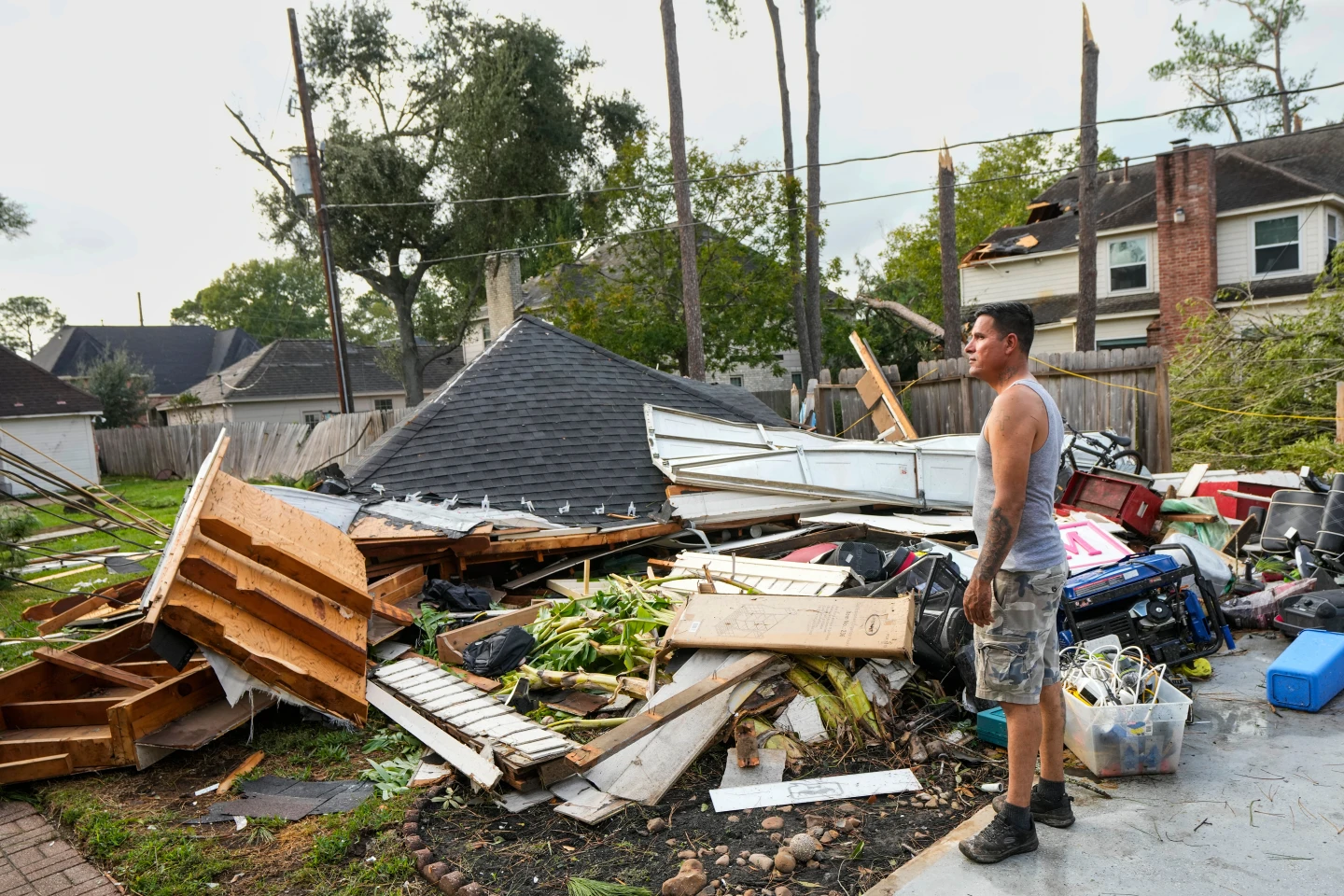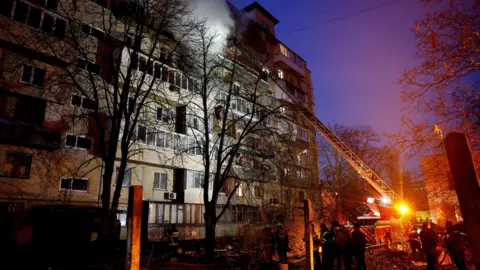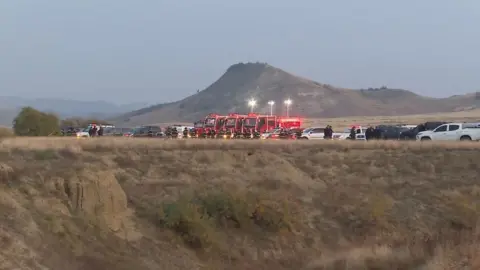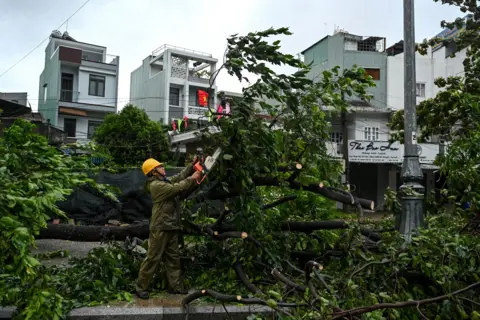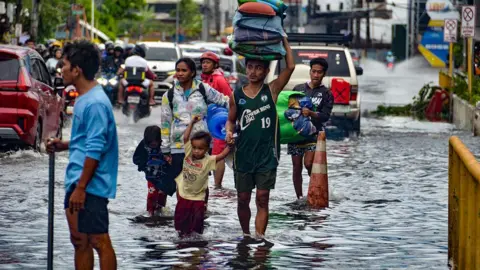
Spain is grappling with the catastrophic impacts of severe flooding that has claimed over 200 lives and left many others missing. The deluge swept through the region, particularly hitting Valencia, where emergency services and military personnel are engaged in extensive search and rescue operations. Amidst the chaos, local residents are now focused on cleaning up the aftermath and assessing the vast damage.
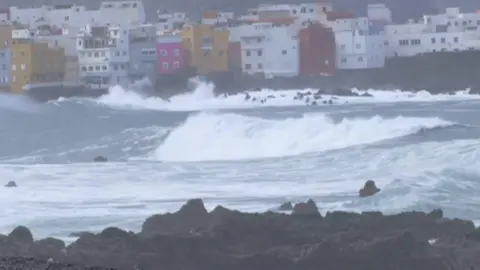
As forecasts predict further rain over the weekend, local authorities have issued warnings for areas along the coastline of Huelva, advising residents to remain indoors for their safety. Before-and-after imagery starkly illustrates the level of destruction brought on by the flash floods, showing buildings swept away, streets buried in debris, and vital infrastructures like bridges demolished or rendered unusable.
Valencia emerged as the epicenter of the disaster, where an astonishing amount of rain—equivalent to a year’s worth—fell within just eight hours, leaving streets and railways severely affected. Many victims were trapped in vehicles caught in the torrential waters, with some dying while returning from work. The situation was exacerbated by the inundation of crucial transport routes, including train tracks between Madrid and Valencia, leading to a total suspension of services.
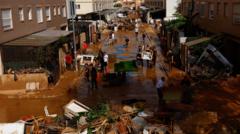
In residential areas of Letur, the impact was similarly harrowing, with streets transformed into rivers of mud, rocks, and debris. Satellite images captured the dramatic landscape changes aftermath, offering a sobering view of the natural disaster’s scale. The tragic events have garnered international attention, drawing focus to Spain’s ongoing struggle with severe weather and prompting discussions about future safety and resilience.