Israel has intensified its military campaign against Iran, targeting strategic sites including a paramilitary headquarters and the notorious Evin Prison in Tehran. These strikes come in the wake of U.S. military actions that hit Iranian nuclear facilities. With fears of retaliation growing, world leaders are urging both sides to de-escalate the situation as Iran prepares to respond.
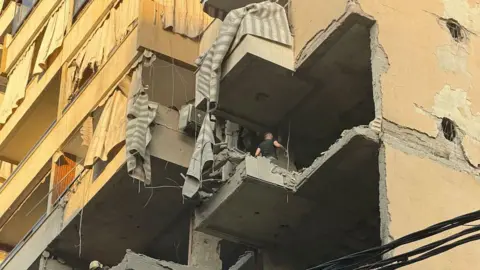
In a series of coordinated assaults, Israeli forces targeted locations critical to Iran's Revolutionary Guards and nuclear infrastructure. Iranian authorities confirmed the strikes, leading to significant power outages in parts of Tehran, affecting over a million residents. The violence has left many residents fearful as air raid sirens send them into shelters across Israel.
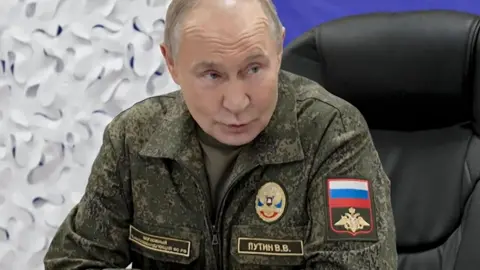
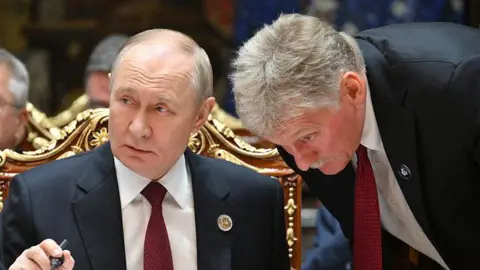
As the dust settles, international officials are expressing profound concern. President Trump's recent military involvement has raised alarms that the conflict could spiral. Iran's foreign minister, Abbas Araghchi, held urgent talks with Russian President Vladimir Putin, calling for support following the strikes. Despite being traditional allies, Russia's military assistance remains uncertain.
Countries across the globe are reacting; the U.N. held an emergency meeting where leaders warned of potential "unimaginable levels" of devastation if the cycle of retaliation continues. The situation remains fluid, with Iran reportedly contemplating how best to respond to the U.S. and Israeli aggression. Analysts warn that any closures in critical waterways such as the Strait of Hormuz could prompt significant economic ramifications worldwide.
Further complicating matters, the economic impact of these military operations is already evident. Markets in Asia are experiencing decline as investors react to potential disruptions to oil supplies and the mounting uncertainty in the region.
In addition to military strategies, the necessity for diplomatic conversations has been emphasized, with calls for peace growing louder. The looming presence of nuclear capabilities adds urgency to the situation, with both American and Iranian officials acknowledging gaps in understanding the full extent of Iran’s nuclear stockpiles after the recent strikes.
While military strategies unfold, it is evident that a swift path back to negotiated peace must be a priority if chaos is to be avoided in this already volatile region.
In a series of coordinated assaults, Israeli forces targeted locations critical to Iran's Revolutionary Guards and nuclear infrastructure. Iranian authorities confirmed the strikes, leading to significant power outages in parts of Tehran, affecting over a million residents. The violence has left many residents fearful as air raid sirens send them into shelters across Israel.
As the dust settles, international officials are expressing profound concern. President Trump's recent military involvement has raised alarms that the conflict could spiral. Iran's foreign minister, Abbas Araghchi, held urgent talks with Russian President Vladimir Putin, calling for support following the strikes. Despite being traditional allies, Russia's military assistance remains uncertain.
Countries across the globe are reacting; the U.N. held an emergency meeting where leaders warned of potential "unimaginable levels" of devastation if the cycle of retaliation continues. The situation remains fluid, with Iran reportedly contemplating how best to respond to the U.S. and Israeli aggression. Analysts warn that any closures in critical waterways such as the Strait of Hormuz could prompt significant economic ramifications worldwide.
Further complicating matters, the economic impact of these military operations is already evident. Markets in Asia are experiencing decline as investors react to potential disruptions to oil supplies and the mounting uncertainty in the region.
In addition to military strategies, the necessity for diplomatic conversations has been emphasized, with calls for peace growing louder. The looming presence of nuclear capabilities adds urgency to the situation, with both American and Iranian officials acknowledging gaps in understanding the full extent of Iran’s nuclear stockpiles after the recent strikes.
While military strategies unfold, it is evident that a swift path back to negotiated peace must be a priority if chaos is to be avoided in this already volatile region.